Freight Density Calculator
Freight Density Calculator
This freight density calculator is the #1 professional tool for determining PCF, LTL volume, and NMFC classification for commercial shipments instantly.
Freight Density Dashboard
Professional LTL classification and Pounds Per Cubic Foot (PCF) analysis.
1 Shipment Line Items
| Length | Width | Height | Weight | Qty | Action |
|---|
Utilizing a professional freight density calculator is the most critical step for supply chain managers, warehouse operators, and business owners looking to optimize shipping costs. In the Less Than Truckload (LTL) industry, carriers determine your rates based on how much space your cargo occupies relative to its weight. By accurately calculating your shipment’s Pounds Per Cubic Foot (PCF), our tool helps you estimate your NMFC class and avoid expensive re-billing fees from carriers like FedEx, UPS Freight, or Old Dominion.
What is Freight Density and PCF?
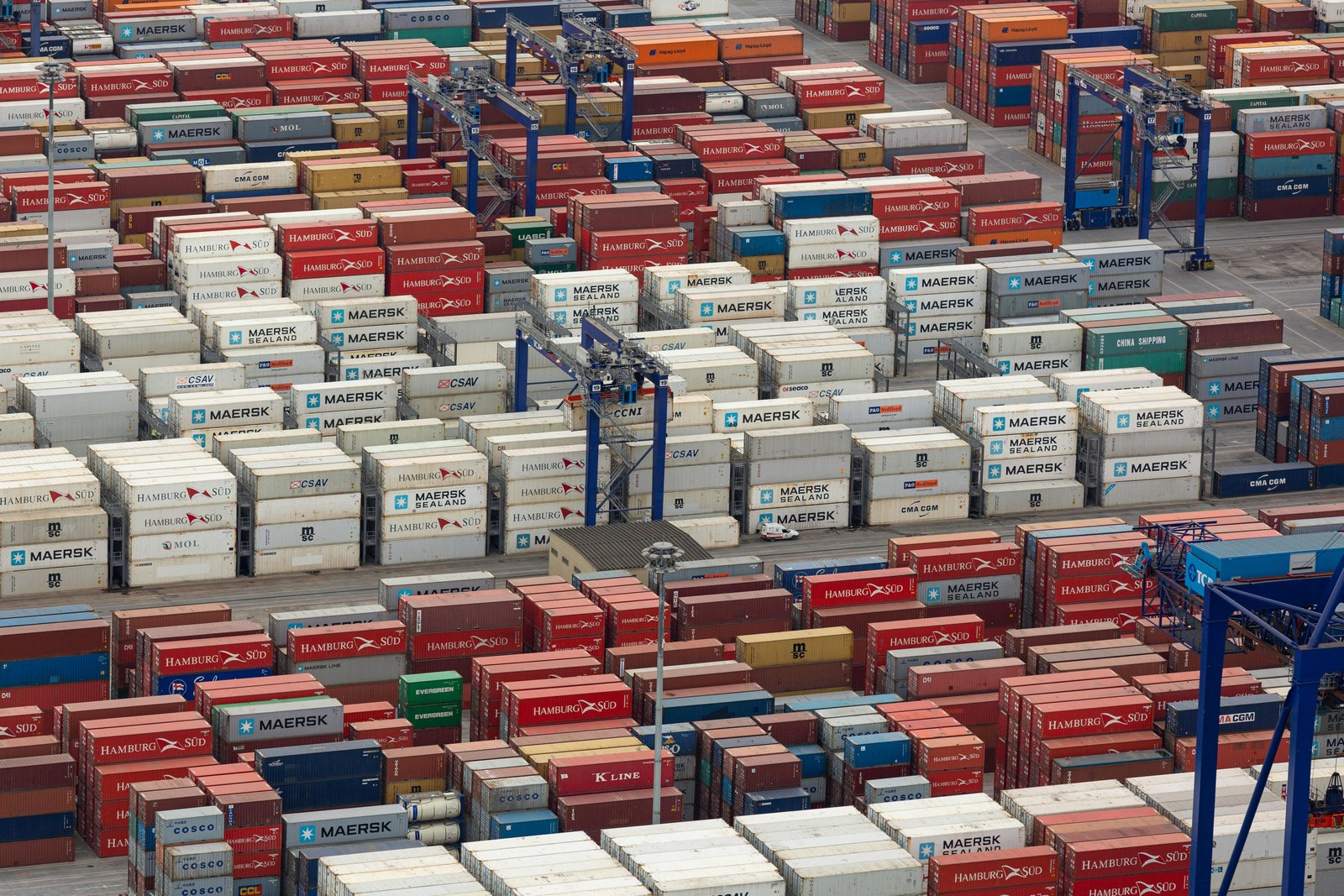
Freight density measures how heavy a shipment is relative to the total cubic volume it occupies. It is expressed in Pounds Per Cubic Foot (PCF). A high-density shipment (like steel bolts) takes up very little truck space but is very heavy, while a low-density shipment (like ping pong balls) is light but fills an entire trailer. Our freight density calculator automates the process of identifying your load’s specific profile, ensuring you select the correct classification on your Bill of Lading (BOL). Most Tier-1 carriers use these calculations to standardize the price of “transportability.”
How to use the Freight Density Calculator Correctly
Our freight density calculator is designed for complex, multi-item loads. To get a precise PCF result for your LTL quote, follow these steps inside the dashboard:
- Measurement: Measure the Length, Width, and Height of each pallet or crate at its widest points.
- Weight: Enter the gross weight of each unit (you must include the wood pallet and packaging).
- Quantity: If you have identical units, use the quantity multiplier in the freight density calculator ledger to save time.
- Analysis: Review the average PCF and the estimated NMFC class generated by the quantitative engine.
Understanding the Mathematical PCF Formula
While our automated software handles the decimal logic, understanding the math allows for manual verification. A professional freight density calculator uses a two-step equation to arrive at a result:
Density (PCF) = Total Gross Weight / Total Cubic Feet
Why Accurate Density Saves Your Business Money
In modern logistics, “deadhead” or empty trailer space is lost profit for the carrier. If you guess your density and get it wrong, the carrier will issue a “Weight and Inspection” (W&I) certificate. This usually includes a $50-$150 re-billing fee plus the difference in freight cost. Consistently using a freight density calculator before the truck arrives is the single best way to protect your logistics margins and ensure high-tier accounting compliance.
Measuring Non-Standard Freight for Density
Not every shipment is a perfect 48×40 pallet. When dealing with irregular items like machinery or furniture, the freight density calculator requires you to imagine the item is inside a rectangular box. You must measure the extreme widest, tallest, and longest points. This is known as “Cubic Capacity” and is the standard used by the National Motor Freight Traffic Association (NMFTA). Even if 90% of the crate is empty air, the carrier will bill you for the full rectangular space.
| Density (PCF) | Estimated Class | Risk Level |
|---|---|---|
| Over 50 | Class 50 | Low / Durable |
| 10 to 15 | Class 92.5 | Moderate |
| Less than 1 | Class 500 | High / Bulky |
Freight Density Calculator FAQ
Does the pallet weight matter for the calculation?
Yes. The carrier weighs the entire unit. When using the freight density calculator, always include the 30-50 lbs weight of the wood pallet to ensure your PCF matches the carrier’s scale. Forgetting the pallet weight is a common cause of re-classification.
Is PCF the same as the freight class?
No, but it is the primary driver. Density determines the base “PCF,” which is then mapped to a class. However, other factors like stowability and liability also play a minor role. Our freight density calculator provides the most accurate estimation possible based on density data.
Can I use this for international ocean freight?
While ocean freight often uses CBM (Cubic Meters), the fundamental principle of weight-vs-volume remains the same. However, this freight density calculator is specifically optimized for North American LTL standards and NMFC guidelines.
Optimize Your Logistics Strategy: Precise data is the heart of a lean supply chain. Use this freight density calculator for every BOL you prepare. For more business tools, explore the Metolio Library or check out our Auto Refinance Calculator to save on your commercial fleet costs!
About this Tool
This calculator is designed to provide instant, accurate results for Freight Density Calculator. Input your values above to see real-time breakdowns. Our formulas are updated regularly to ensure precision for 2026 standards.